Top 10 Essential Smart Home Devices for Beginners in 2026
An extensive 900-word guide to kickstarting your home automation journey with the 10 most essential, high-impact, and beginner-friendly smart electronics.
Home Automation Expert
Contributor & Technical Writer
Embarking on the Automation Journey
In this article, we analyze the core concepts of smart home devices to help you build a reliable, high-performance home system. However, building a fully integrated smart home from scratch can be a deeply intimidating prospect for the uninitiated. In addition, with tens of thousands of connected electronics currently flooding the market—ranging from highly complex, hardwired security ecosystems to absurd novelties like Wi-Fi-enabled toasters—it is incredibly difficult to know exactly where to begin without wasting money. Meanwhile, the secret to a successful, frustration-free smart home is starting extremely small. Subsequently, you must begin with foundational, "high-impact" devices that provide immediate, tangible benefits in daily convenience, physical security, or financial energy savings, without requiring a degree in computer science to configure.
This comprehensive guide outlines the absolute essential electronic devices required to successfully kickstart your home automation journey in 2026. Consequently, managing smart home devices is critical for achieving optimal speeds.
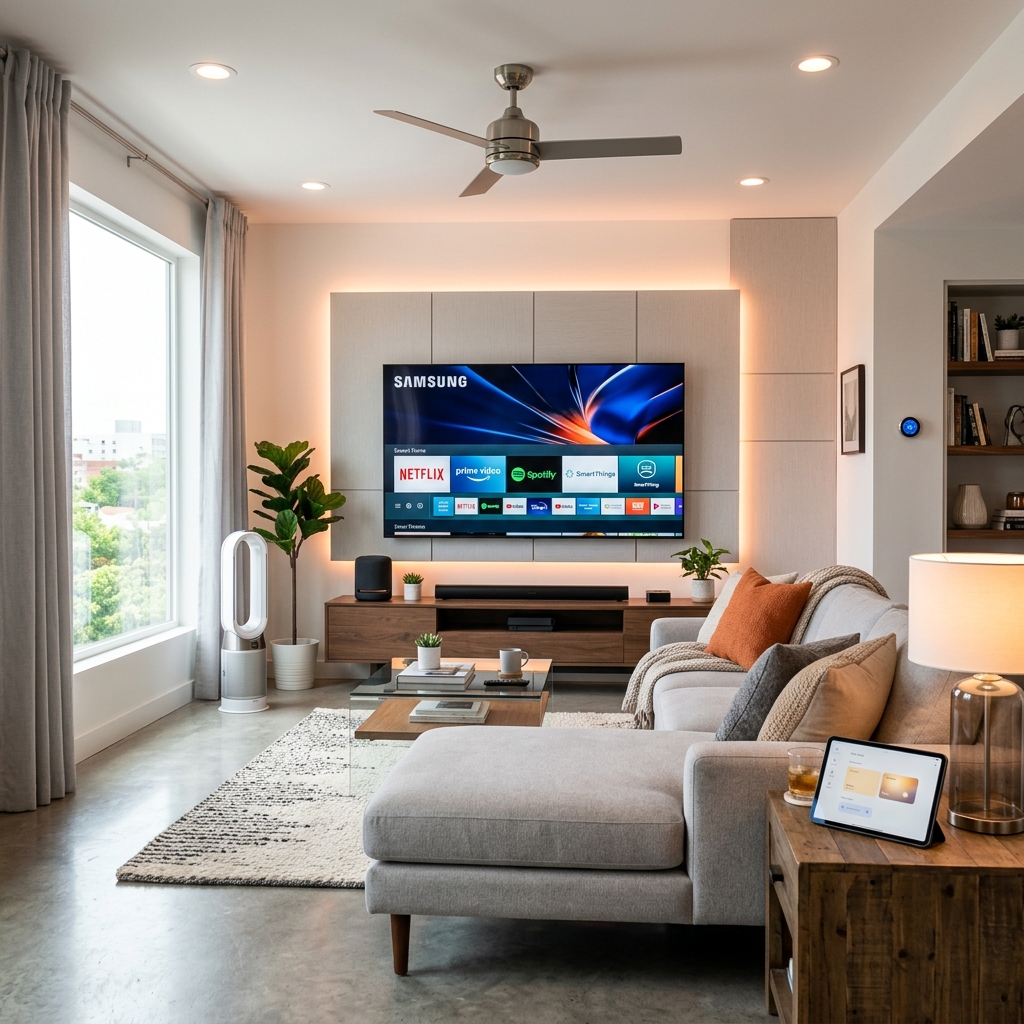
1. The Central Command Hub: Smart Speakers
Every smart home requires a brain to process commands, and for 95% of consumers, that brain is a smart speaker equipped with a highly advanced voice assistant (such as Amazon Alexa, Google Assistant, or Apple Siri). Furthermore, these cylindrical or spherical devices serve as the central, invisible command center for your entire house. Specifically, they allow you to control all your subsequent smart electronics using simple, natural voice commands. As a result, beyond controlling other devices, they are incredibly useful standalone tools for setting cooking timers, playing synchronized multi-room music, checking morning traffic, and answering quick trivia questions.
2. Smart Plugs: The Gateway to Automation
Smart plugs are the absolute most cost-effective and brilliant way to magically transform your existing "dumb" legacy electronics into smart devices. Therefore, you simply plug the smart plug into a standard wall outlet, and then plug your antique floor lamp, your coffee maker, or your oscillating fan into the smart plug. Additionally, you can now remotely turn that specific device on or off via your smartphone app or voice assistant, and critically, you can set precise schedules for automated daily operation.
3. Intelligent Lighting Ecosystems (Smart Bulbs)
Replacing your standard, harsh incandescent or basic LED bulbs with Wi-Fi or Zigbee-enabled smart LED bulbs (such as the Philips Hue ecosystem) will dramatically alter the ambiance and mood of your home. Subsequently, you gain the ability to precisely adjust brightness levels from 1% to 100%, change the color temperature from crisp daylight blue to warm sunset amber, and even select from 16 million colors. Consequently, they can be programmed to simulate your presence when you are on vacation, deterring potential burglars.

4. The ROI Champion: Smart Thermostats
A premium smart thermostat (like those from Nest or Ecobee) is one of the very few electronic devices on the market that will actively and aggressively pay for itself over time. In addition, these devices utilize machine learning to learn your daily schedule and automatically adjust the HVAC system to save massive amounts of energy when the house is empty, while ensuring the climate is perfectly comfortable the moment you return. Meanwhile, the localized energy savings often cover the purchase price of the device within the first 12 to 18 months.
5. Video Doorbells for Absolute Peace of Mind
A Wi-Fi video doorbell provides an immense, immediate upgrade to your home security and peace of mind. As a result, equipped with wide-angle lenses, night vision, and two-way audio, it allows you to see, hear, and speak directly to anyone standing at your front door from your smartphone, regardless of whether you are sitting on the couch or traveling halfway around the world. However, it is a massive convenience for securely receiving packages and screening unwanted solicitors.
Ensuring Your Network Can Handle the Load
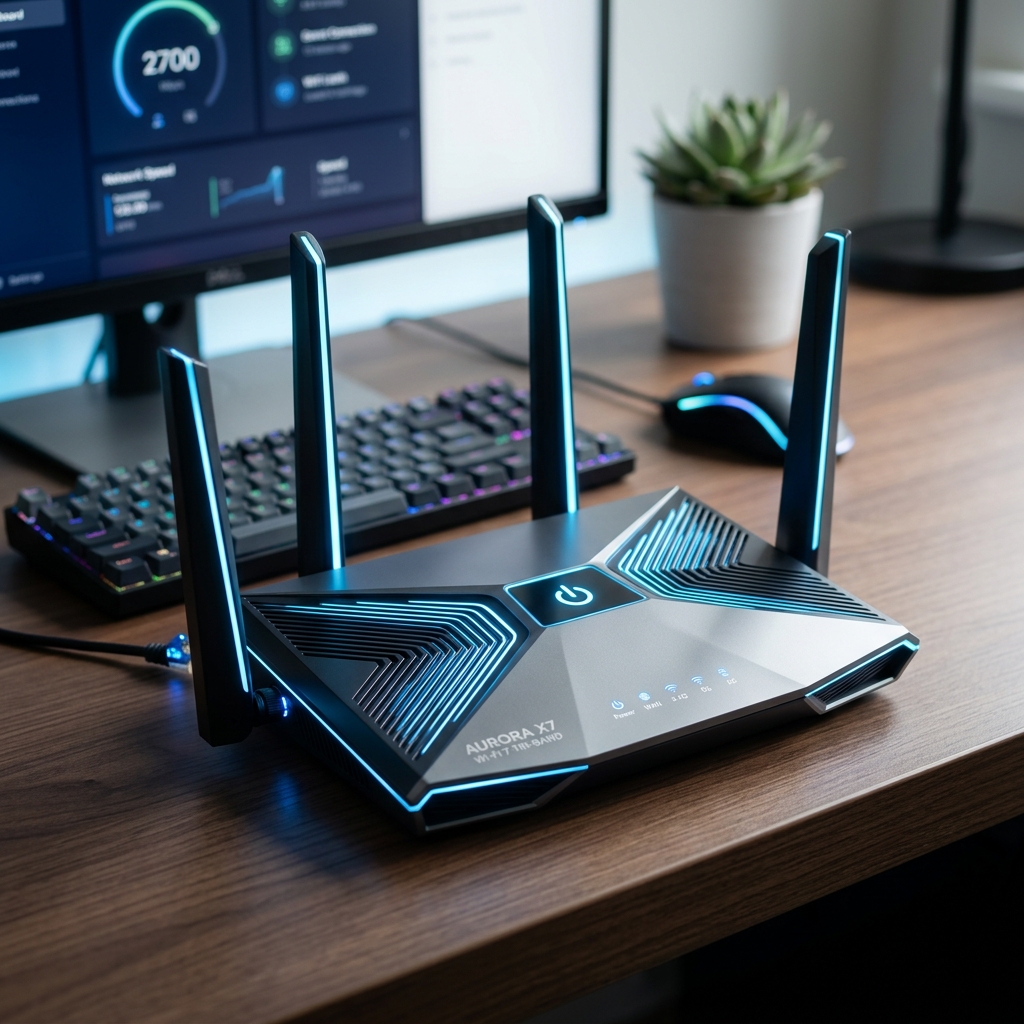
As you enthusiastically add these 10 essential electronic devices to your home, you must remember one critical technological reality: they all rely entirely on your Wi-Fi network to function. Furthermore, a $200 smart video doorbell is completely useless if it constantly drops its connection to the router. Specifically, before diving deep into extensive home automation, you must ensure your internet plan offers sufficient upload bandwidth and, most importantly, that your wireless router is powerful enough (preferably Wi-Fi 6 or a Mesh system) to handle the exponentially increased traffic of dozens of IoT devices communicating simultaneously without crashing.
To learn more about related technologies, check out our guide on complete guide to smart lighting. Additionally, for additional industry resources and guidelines, visit the official Samsung SmartThings portal. Consequently, managing smart home devices is critical for achieving optimal speeds.
Conclusion
Starting a modern smart home does not require a massive, intimidating initial financial investment. Consequently, by beginning with these core, beginner-friendly electronic foundation blocks—a voice assistant, smart plugs, lighting, a thermostat, and a video doorbell—you can immediately experience the profound benefits of home automation. Therefore, as you become more comfortable with configuring the technology, you can gradually expand your ecosystem, eventually creating a fully integrated, highly intelligent living space.
Share this guide