High-Speed Internet for Smart Electronics: The Ultimate 2026 Guide
An exhaustive, 1000-word deep dive into optimizing your home internet infrastructure to support next-generation smart electronics, IoT devices, and 8K streaming without a single drop in connection.
Senior Network Architect
Contributor & Technical Writer
The Evolution of High-Speed Internet in the Smart Era
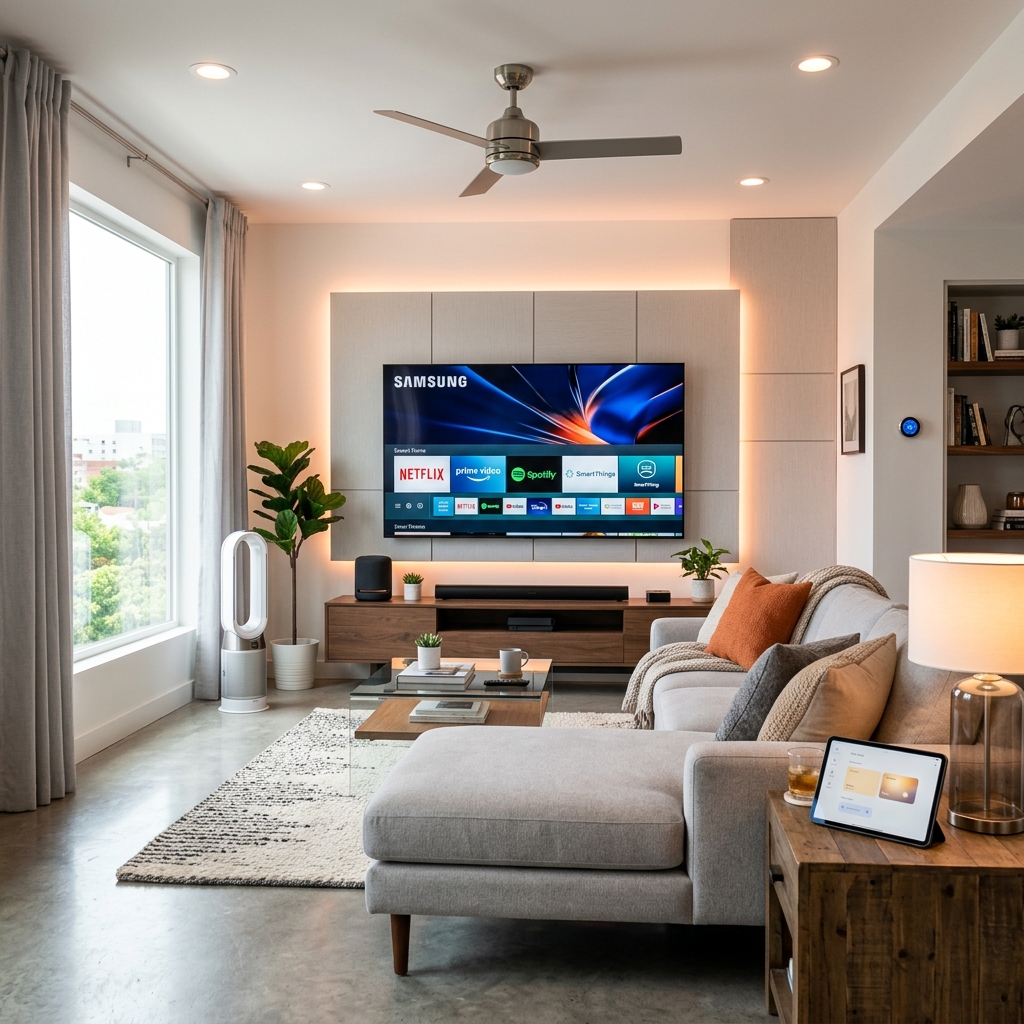
In this article, we analyze the core concepts of high-speed internet to help you build a reliable, high-performance home system. Additionally, in the rapidly advancing digital landscape of 2026, the concept of a "home network" has transcended the simple act of connecting a single desktop computer to the internet. Furthermore, today, the modern household is a complex ecosystem of interconnected smart electronics. Specifically, from advanced 8K OLED televisions and cloud-gaming consoles to subtle IoT devices like smart thermostats, Wi-Fi-enabled refrigerators, and AI-driven security cameras, the demand on our home bandwidth has never been greater. As a result, understanding the fundamental architecture of high-speed internet is no longer optional; it is a critical requirement for maintaining a functional, efficient, and secure living space.
Historically, an internet speed of 100 Mbps was considered a luxury. However, as the bitrate of streaming media quadruples and the sheer volume of connected devices in a single home exceeds fifty, the infrastructure must scale accordingly. Therefore, this comprehensive guide will dissect the exact requirements, hardware considerations, and configuration strategies needed to build a resilient network capable of handling the electronics of tomorrow. Consequently, managing high-speed internet is critical for achieving optimal speeds.
Bandwidth vs. Latency: The Great Misconception
Before investing in expensive hardware, it is paramount to distinguish between bandwidth and latency. Meanwhile, internet Service Providers (ISPs) heavily market massive bandwidth figures—such as "1 Gigabit Speeds"—as the ultimate solution to all networking woes. Subsequently, bandwidth refers to the maximum volume of data that can be transmitted over your connection in a given second. Consequently, think of it as the width of a highway; a wider highway allows more cars (data) to travel simultaneously without traffic jams.
Latency, however, is the speed limit of that highway. As a result, measured in milliseconds (ping), latency dictates how long it takes for a single packet of data to travel from your electronic device to the destination server and back. However, for a smart doorbell communicating a video feed to your smartphone, or a competitive gamer reacting in real-time, latency is significantly more important than raw bandwidth. In addition, high latency causes input delay and buffering, regardless of how much bandwidth you purchase.
The Hardware Foundation: Routers and Modems
Your network is only as strong as its weakest link, which is almost always the cheap, default hardware provided by your ISP. Specifically, to achieve true high-speed connectivity for a multitude of electronics, upgrading your modem and router is the first mandatory step.
The DOCSIS 3.1 Standard
If you utilize cable internet, your modem must support the DOCSIS 3.1 protocol. Additionally, this standard enables gigabit download speeds and significantly improved upload speeds by utilizing a much wider spectrum of radio frequencies over the coaxial cable. Furthermore, using an older DOCSIS 3.0 modem on a modern gigabit plan is analogous to putting a lawnmower engine in a sports car.
Embracing Wi-Fi 6E and Wi-Fi 7
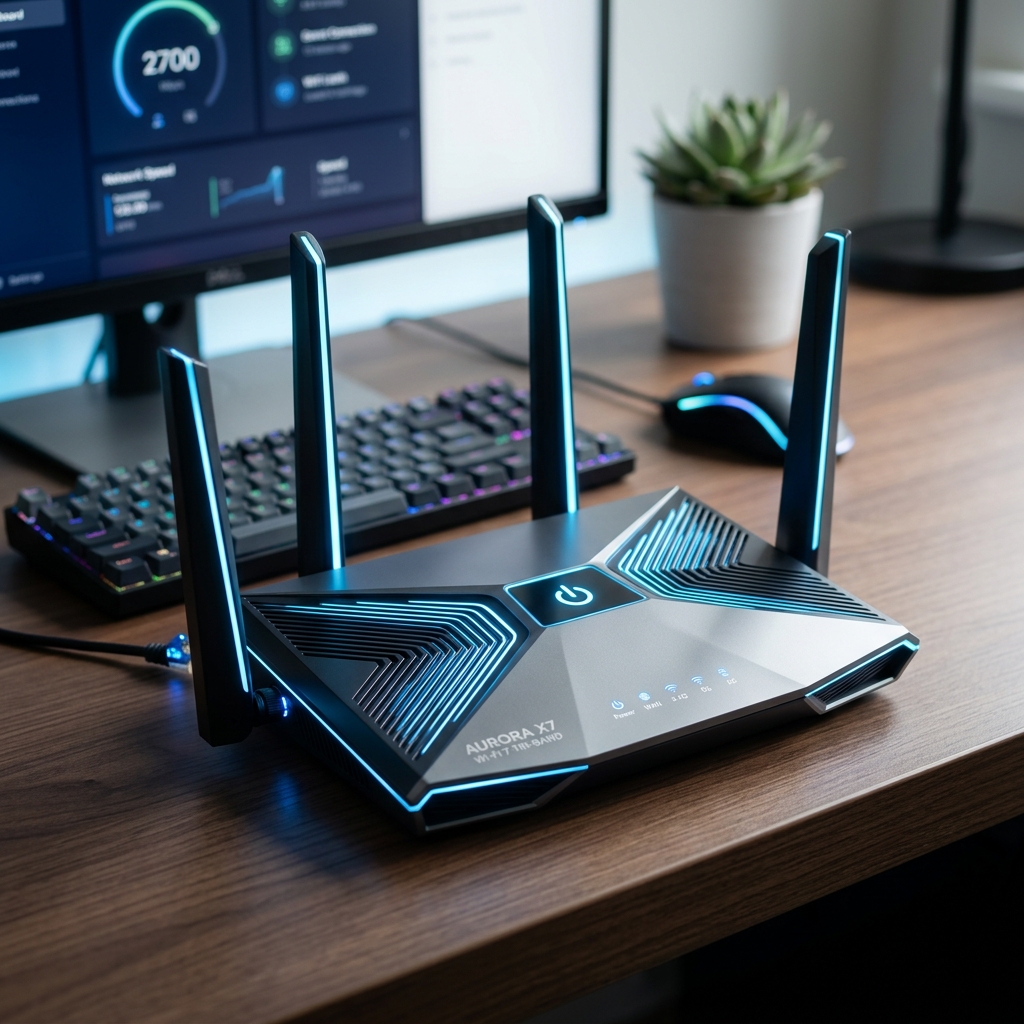
The router acts as the conductor of your electronic orchestra. Meanwhile, the latest standards, Wi-Fi 6E and the emerging Wi-Fi 7, operate on an entirely new 6 GHz frequency band. Subsequently, this is a massive leap forward. Consequently, the traditional 2.4 GHz and 5 GHz bands are incredibly congested, fighting for airtime with microwaves, bluetooth devices, and your neighbor's networks. Therefore, the 6 GHz band is a pristine, empty superhighway reserved exclusively for the latest high-end electronics, virtually eliminating interference and dropping latency to near-wired levels.
The Crucial Role of Wired Ethernet
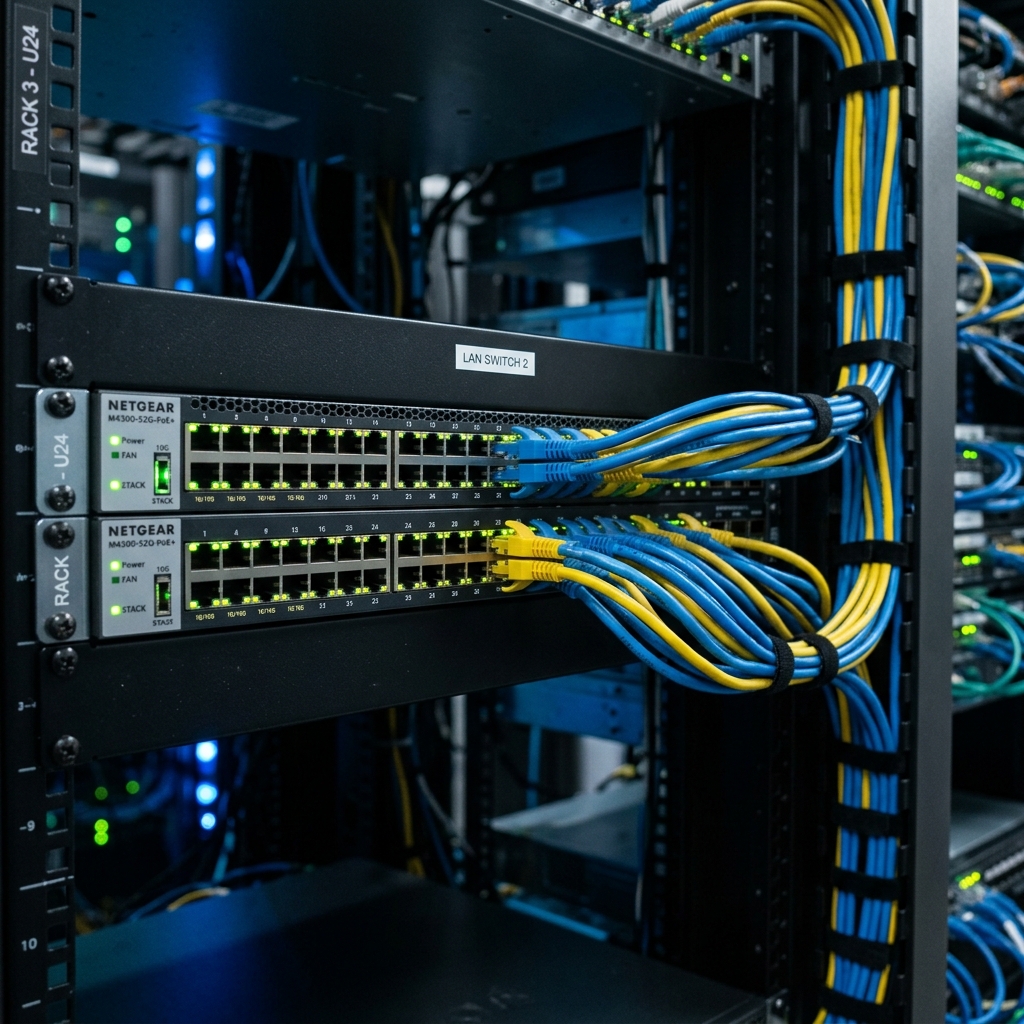
Despite the incredible advancements in wireless technology, the immutable laws of physics dictate that a physical, wired connection will always be superior to a wireless broadcast. In addition, for electronics that are stationary and bandwidth-hungry—such as Smart TVs, gaming PCs, and Network Attached Storage (NAS) devices—you must utilize Ethernet cables.
Running Cat 6 or Cat 6a Ethernet cables through your walls to dedicated network switches provides a dedicated, un-interruptible 10 Gigabit pipeline to your devices. However, this not only guarantees maximum performance for those specific electronics but also frees up valuable wireless bandwidth (airtime) for your mobile devices, laptops, and IoT sensors that absolutely require Wi-Fi.
Quality of Service (QoS) Configuration
In a home where someone is downloading a massive 100GB video game update while another person is attempting an important Zoom video conference, chaos ensues. Specifically, this is where Quality of Service (QoS) becomes your most powerful tool. As a result, qoS is a setting within your router's administrative panel that allows you to prioritize specific types of traffic or specific electronic devices over others.
By enabling QoS and assigning the highest priority to real-time communication packets (like VoIP or Zoom) and gaming packets, the router intelligently throttles the background video game download just enough to ensure the video call remains crystal clear and completely free of stuttering. Furthermore, this traffic management is the secret to a harmonious smart home.
Frequently Asked Questions (FAQ)
Q: Does having more internet speed (bandwidth) automatically improve my Wi-Fi range?
A: No. Bandwidth only dictates how much data your home receives from the ISP. Wi-Fi range is dictated entirely by the broadcast power of your physical router and the structural materials of your home (walls, metal, glass). To fix range issues, you need a Mesh Wi-Fi system, not a faster internet plan.
Q: Why do my smart bulbs occasionally disconnect even though my phone has strong Wi-Fi?
A: Most smart IoT devices operate exclusively on the older 2.4 GHz frequency band because it penetrates walls better. However, this band is extremely crowded. Your phone is likely connected to the faster, less crowded 5 GHz band. To fix IoT drops, change your router's 2.4 GHz channel to 1, 6, or 11 to avoid overlapping interference.

To learn more about related technologies, check out our guide on understanding 5G home internet. Additionally, for additional industry resources and guidelines, visit the official Federal Communications Commission. Consequently, managing high-speed internet is critical for achieving optimal speeds.
Conclusion
Building an infrastructure capable of supporting the electronics of today and tomorrow is a multifaceted endeavor. Consequently, it requires moving beyond the basic equipment provided by your ISP, embracing the latest wireless standards like Wi-Fi 6E, heavily utilizing physical Ethernet connections for critical devices, and intelligently managing data flow via QoS. Therefore, by implementing these strategies, you transform your home network from a fragile bottleneck into a robust, invisible foundation that seamlessly powers your digital life.
Share this guide