How Cloud Computing is Changing Personal Electronics
A comprehensive analysis of how cloud infrastructure is removing the need for massive local processors, reshaping the physical design of all modern electronics.
Tech Industry Analyst
Contributor & Technical Writer
The Great Migration: From Local to Cloud
In this article, we analyze the core concepts of cloud computing to help you build a reliable, high-performance home system. Furthermore, historically, the capability and sheer power of a personal electronic device were dictated entirely by the physical hardware housed within its plastic or aluminum casing. Specifically, if you wanted to play a graphically demanding 3D video game, compile complex software code, or edit a high-resolution 4K video, you absolutely required a massive, expensive desktop computer. As a result, this computer needed a high-wattage central processing unit (CPU), a dedicated, heat-generating graphics card (GPU), and massive, spinning magnetic hard drives to store the data.
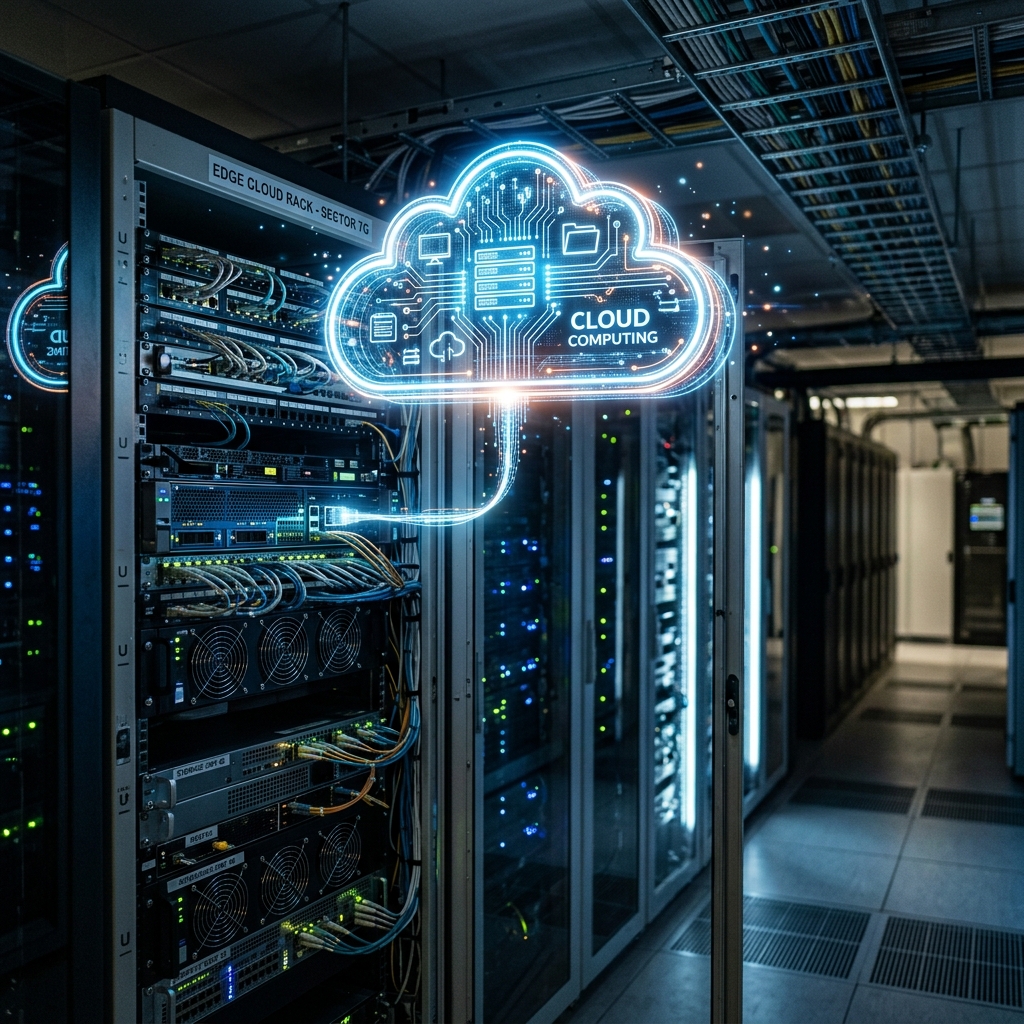
Cloud computing has fundamentally and irreversibly disrupted this hardware-centric paradigm. Additionally, by shifting the immense heavy lifting of data processing, rendering, and storage to massive, centralized, and remote server farms (the "Cloud"), the very nature of personal electronics is changing dramatically.
The Era of Thin, Light, and Silent Electronics
Because the complex computational work is now executed on servers located hundreds of miles away, manufacturers no longer need to pack high-heat-generating processors, massive cooling fans, and bulky hard drives into consumer devices. Therefore, this architectural shift has enabled the creation of ultra-thin laptops, incredibly lightweight tablets, and smartphones that possess astonishing, multi-day battery life.
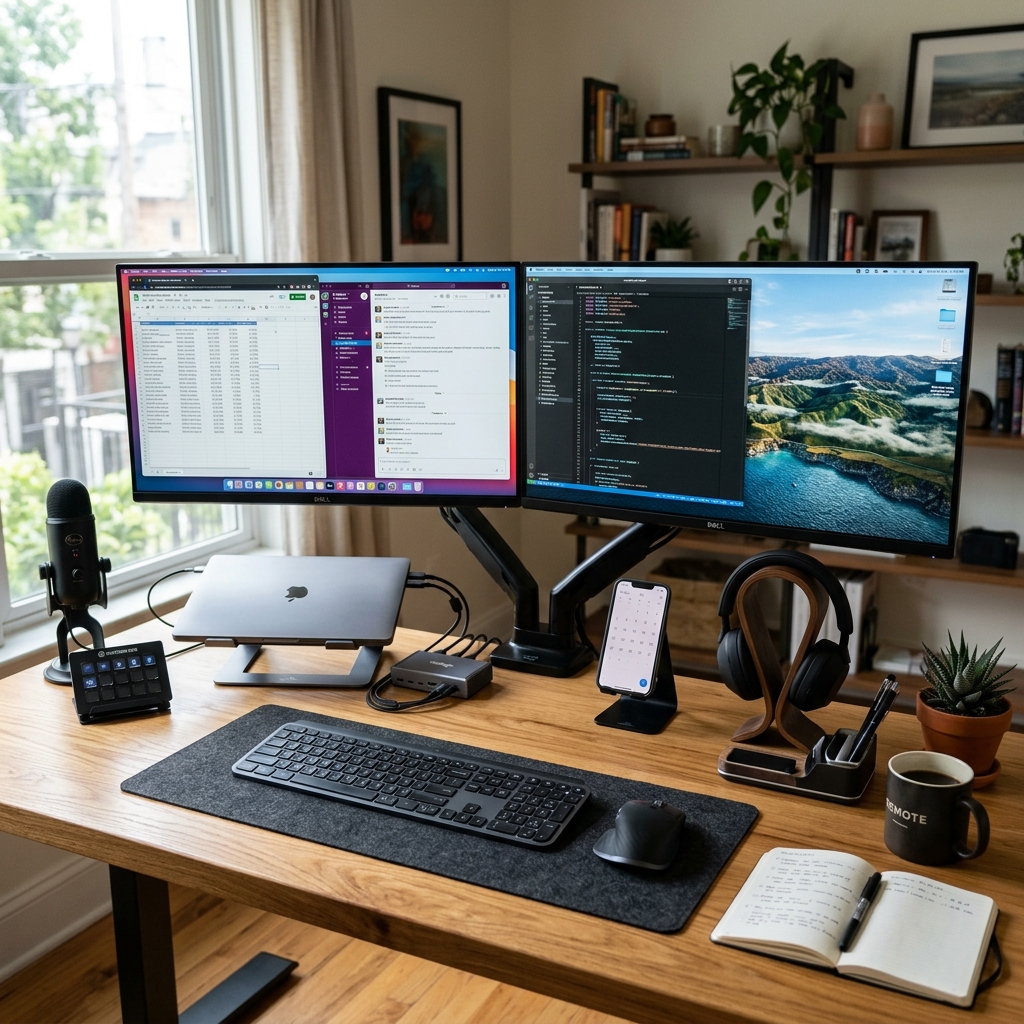
A modern Chromebook, for example, is the ultimate expression of this trend. Subsequently, it possesses minimal local storage (often just 64GB) and a very low-power, energy-efficient processor. Yet, it can handle complex, enterprise-level tasks simply by acting as a fast, highly efficient "window" into cloud-based applications like Google Workspace, Microsoft 365, or cloud-based photo editors. Consequently, the device itself does almost no thinking; it merely displays the results of the thinking done by the cloud.
The Revolution of Cloud Gaming
Perhaps the most striking and consumer-facing example of this paradigm shift is occurring within the video game industry. In addition, historically, gaming required purchasing a $500 console or a $2000 PC every few years to keep up with advancing graphics. Meanwhile, cloud gaming services (like NVIDIA GeForce Now or Xbox Cloud Gaming) completely upend this model.
These services render high-end, graphically intense AAA video games on massive server blades located in remote data centers. Specifically, the server then streams the live video feed of the game directly to your device over the internet, while simultaneously reading your controller inputs and sending them back to the server in milliseconds. As a result, this miraculous technology allows users to play the most demanding modern games on a low-powered smartphone, an integrated Smart TV app, or a ten-year-old aging laptop. However, the electronic device in your hands no longer requires the hardware to run the game; it only requires a screen, a video decoder, and a remarkably fast internet connection to receive the stream.

The Absolute Vulnerability: Network Reliance
This massive, industry-wide shift toward cloud-reliant electronics comes with one glaring, critical caveat: it makes a hyper-fast, rock-solid, and always-on internet connection more crucial than at any point in human history.
If your home internet connection drops, a fully cloud-reliant electronic device effectively becomes a beautiful, expensive paperweight. Additionally, you cannot access your critical work files, your software applications will refuse to load, your smart home voice assistant goes deaf, and your cloud games will instantly disconnect. Furthermore, the actual performance and utility of these modern electronics are now inextricably, permanently linked to the physical quality of your home network infrastructure and the reliability of your Internet Service Provider (ISP).
To learn more about related technologies, check out our guide on setting up home NAS storage. Therefore, for additional industry resources and guidelines, visit the official AWS official documentation. Consequently, managing cloud computing is critical for achieving optimal speeds.
Conclusion
Cloud computing has successfully democratized access to high-end processing power and effectively infinite storage capacity, allowing manufacturers to design sleeker, lighter, more battery-efficient, and more affordable consumer electronics. However, this architectural evolution has simply transferred the burden of performance from the device's internal physical hardware directly to the local network infrastructure. Consequently, as we continue to blindly embrace cloud-based computing for every aspect of our digital lives, investing in a high-speed, reliable, fiber-optic internet connection and a premium Wi-Fi routing system is the absolute most important hardware upgrade you can make.
Share this guide