Choosing the Best Ethernet Cables for High-Speed Electronics
Demystifying the confusing world of ethernet cable categories (Cat 5e, 6, 6a, 7, 8) and helping you choose the precise cabling required to maximize your wired internet connection.
Hardware Enthusiast
Contributor & Technical Writer
Why Wired Connectivity with Ethernet Cables Remains King
In this article, we analyze the core concepts of ethernet cables to help you build a reliable, high-performance home system. Furthermore, in a modern technological world utterly obsessed with the convenience of wireless connectivity, the act of drilling holes and running physical cables through walls might seem incredibly archaic to the average consumer. However, when you delve into the physics of data transmission, the truth is inescapable: when it comes to raw gigabit speed, ultra-low latency, and absolute, unwavering stability, a physical wired Ethernet connection remains entirely undefeated by any Wi-Fi standard.
For critical, high-bandwidth electronics—such as 4K gaming consoles, massive Network Attached Storage (NAS) servers, desktop PCs utilized for competitive esports, or Smart TVs tasked with streaming high-bitrate HDR media—relying on Wi-Fi is a massive risk. Therefore, wireless signals are inherently susceptible to environmental interference, signal degradation through walls, and congestion from neighboring networks. Additionally, hardwiring these critical devices guarantees they receive 100% of the speed your Internet Service Provider (ISP) delivers, completely isolated from the chaotic environmental factors that consistently degrade wireless performance. Consequently, managing ethernet cables is critical for achieving optimal speeds.
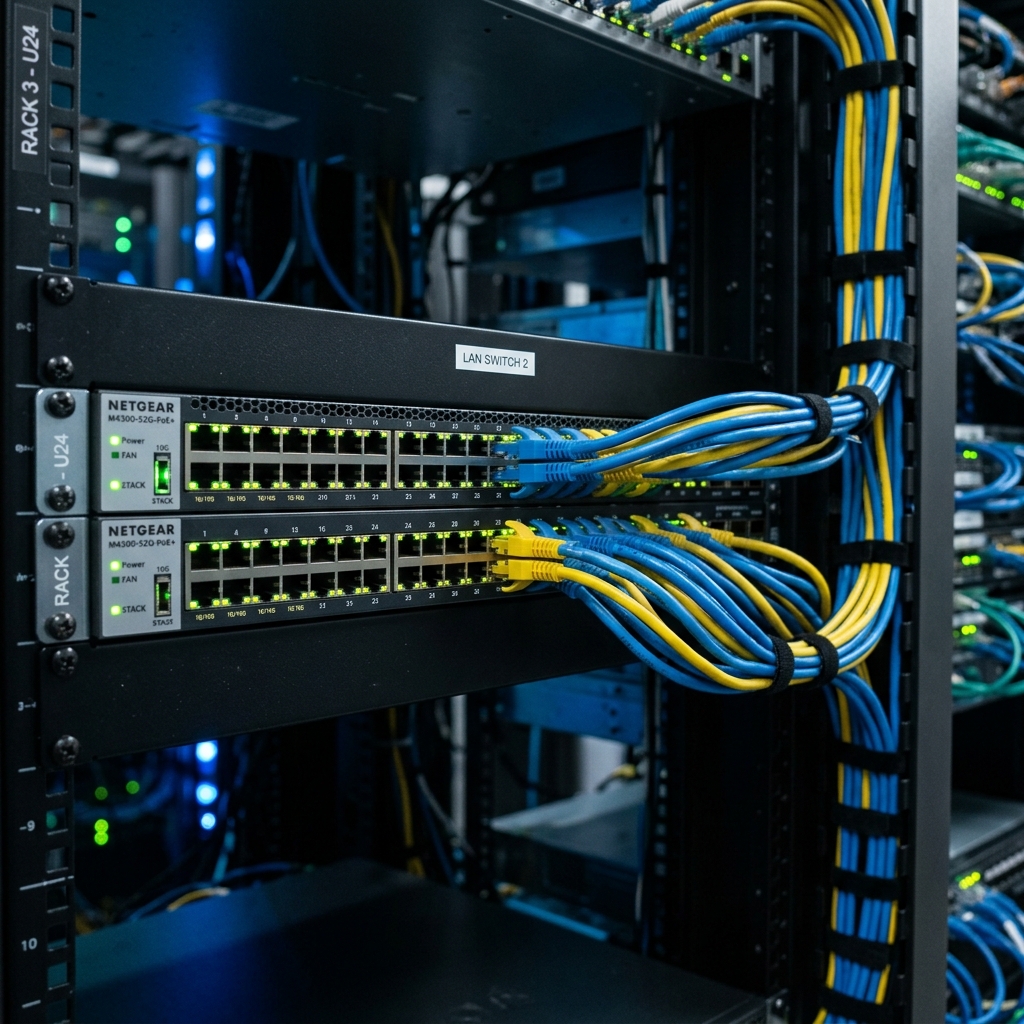
Demystifying Cable Categories: Cat 5e, 6, 6a, 7, and 8
When you begin shopping for Ethernet cables to hardwire your home, you will immediately be bombarded by various "Categories" (abbreviated as "Cat"). Consequently, these categories strictly define the cable's internal physical construction and, consequently, its maximum data transmission capabilities and bandwidth frequencies. While a Cat 5 and a Cat 8 cable may look perfectly identical on the outside, the internal twisting of the copper wires, the gauge of the copper, and the internal shielding vary dramatically.
- Cat 5e (Enhanced): This is the older, standard cable found in most homes built in the 2010s. It is officially rated for 1 Gigabit (1000 Mbps) speeds at a bandwidth of 100 MHz. While suitable for basic web browsing and older electronics, it is rapidly becoming obsolete as multi-gigabit fiber internet becomes common. It lacks the internal shielding to handle extreme high-speed data without interference.
- Cat 6: The current baseline standard for most modern residential installations. Cat 6 utilizes tighter twists in the copper pairs to reduce "crosstalk" (internal interference). It comfortably handles 1 Gigabit speeds over long distances (up to 100 meters), and can actually support massive 10 Gigabit speeds over very short distances (up to 55 meters).
- Cat 6a (Augmented): This is the highly recommended standard for any new home build or extensive renovation in 2026. The "a" stands for augmented. It features significantly better internal shielding and physical separation of the wire pairs. This robust construction allows it to easily handle full 10 Gigabit speeds over the maximum 100-meter standard distance. If you are running cables inside walls where they cannot be easily replaced, Cat 6a provides the ultimate future-proofing for the next two decades of electronics.
- Cat 7 and Cat 8: These cables are specifically designed for massive enterprise server rooms, data centers, and supercomputers. Cat 8, for instance, can handle an absurd 40 Gigabit throughput at 2000 MHz. However, they are incredibly thick, difficult to bend, exceedingly expensive, and absolutely overkill for residential electronic setups. Your home equipment does not have the ports to utilize these speeds.
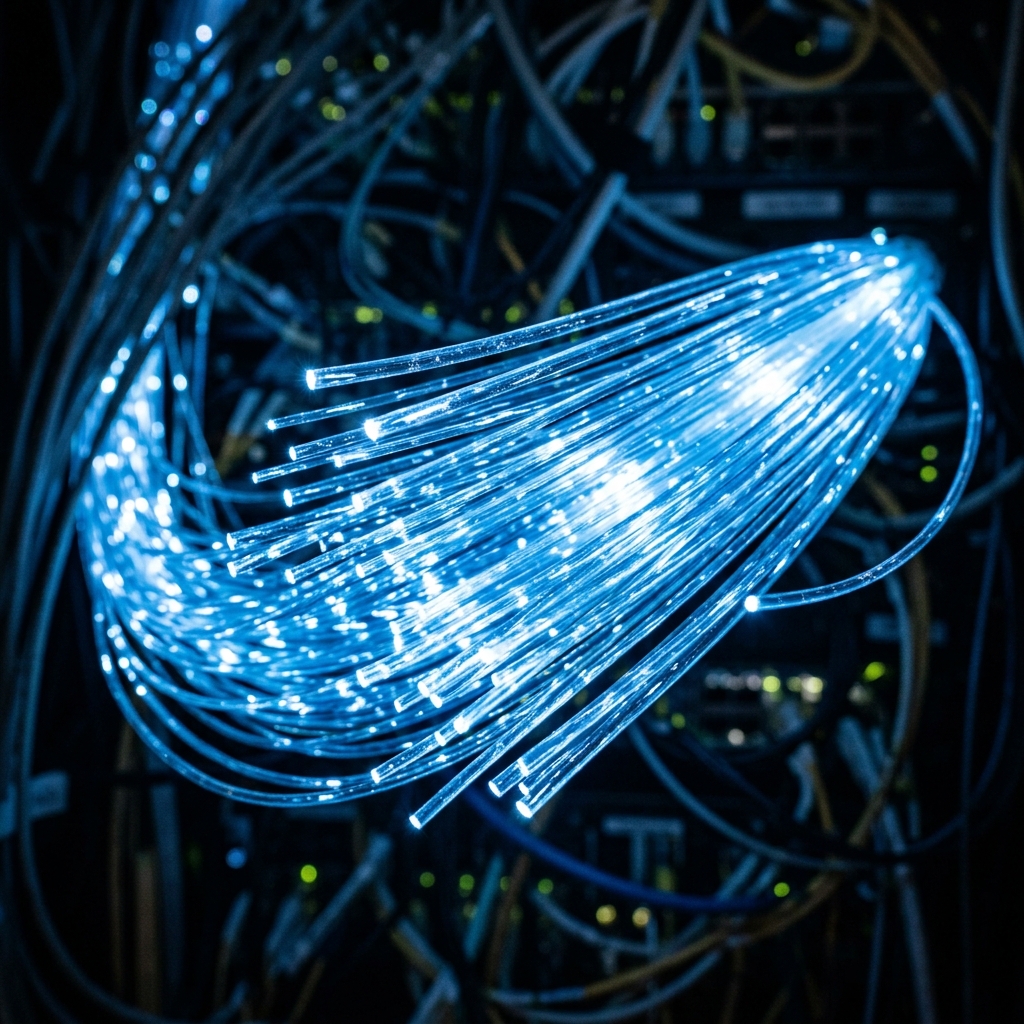
Shielded (STP) vs. Unshielded (UTP) Cables
Beyond categories, you will encounter designations for UTP (Unshielded Twisted Pair) and STP (Shielded Twisted Pair). Meanwhile, uTP cables are the standard; they are highly flexible, cheap, and perfectly sufficient for 95% of home environments. Subsequently, the twisting of the wires naturally cancels out minor electromagnetic interference.
STP cables, however, contain a layer of metallic foil or braided copper shielding wrapping around the internal twisted wires. However, this shielding is designed to block severe external electromagnetic interference (EMI). In addition, you only require shielded cables if you are running them parallel to heavy, high-voltage electrical lines inside your walls, or if you are running them through an industrial workshop with massive motors that generate massive EMI fields.
Proper Cable Management and Safety Codes
Running long lengths of Ethernet cable requires careful management to prevent physical damage to the delicate internal copper. Specifically, never run cables unprotected across walkways where they can be repeatedly stepped on, or under doors where they will be pinched and crushed. As a result, sharp 90-degree bends can snap the internal wires; always utilize gentle, sweeping curves when routing cables around corners.
Crucially, if you are running cables permanently inside your walls or through your HVAC ventilation system, you must ensure you purchase cables with a jacket rated as CMR (Riser) or CMP (Plenum). Furthermore, these specific jackets are treated with fire-retardant chemicals that prevent the rapid spread of flames and minimize toxic smoke inhalation during a house fire, keeping your home compliant with strict building safety codes.

To learn more about related technologies, check out our guide on buying the right ethernet switch. Additionally, for additional industry resources and guidelines, visit the official Monoprice cables. Consequently, managing ethernet cables is critical for achieving optimal speeds.
Conclusion
While Wi-Fi is fantastic for mobile smartphones, tablets, and lightweight IoT electronics, serious stationary electronic setups absolutely demand physical wired connectivity. Consequently, for the vast majority of users in 2026, purchasing quality Cat 6 or Cat 6a cables offers the perfect, optimal balance of price, peak performance, and long-term future-proofing. Therefore, by hardwiring your most critical and bandwidth-hungry devices, you guarantee an uncompromised, hyper-fast digital experience that Wi-Fi simply cannot match.
Share this guide